Last updated 2026-08-17
TL;DR
To start a cattery in Arizona you need a county animal facility permit, a state transaction privilege tax license, and USDA registration if you sell cats wholesale, to brokers, or sight-unseen above federal thresholds. Startup costs run $3,000 to $25,000 depending on scale. The paper path takes four to twelve weeks from first application to approval.
Do you need a license to run a cattery in Arizona?
Yes, and one permit won't cover you. Arizona has no single statewide "cattery license." Three separate regulatory layers apply instead, and skipping any one of them can shut you down or trigger fines.
Start with the county. The county animal services department where your cattery sits controls the animal facility permit. Maricopa County, Pima County, Tucson, Phoenix, and most incorporated cities each run their own ordinance and permit structure, so the form and fee change with your address [1]. A home-based cattery in Scottsdale plays by different rules than one in an unincorporated stretch of Yavapai County.
Next, the state tax layer. The Arizona Department of Revenue requires a Transaction Privilege Tax (TPT) license from any business that sells goods, cats included, in the state [2]. The TPT license is cheap (around $12 at last publication, but confirm with ADOR), and keeping it current lets you collect sales tax on retail cat sales legally.
Third is the federal question. If your sales model crosses into wholesale, you need USDA Animal Care registration under the Animal Welfare Act. The AWA requires dealers who sell cats wholesale, to brokers, or to research facilities to hold a USDA license regardless of volume. Breeders selling pets directly to the public usually fall under the retail pet store exemption, but the conditions are specific, so check your situation with USDA Animal Care directly [3]. The regional office covering Arizona is in Fort Collins, Colorado.
For a closer look at licensing alone, the cattery license in Arizona guide walks each permit in order.
What county and city permits does Arizona require?
Arizona is a home-rule state. Cities and counties set their own animal facility rules, and there is no uniform statewide cattery permit form.
Maricopa County Animal Care and Control requires a Commercial Animal Establishment permit for any facility housing animals for sale, boarding, or breeding [1]. The application asks for enclosure dimensions, a ventilation plan, your water source, and a sanitation protocol. An inspector visits before the permit issues. Permit fees in Maricopa County have historically fallen in the $100 to $300 range per year, but confirm the current amount directly with Maricopa County Animal Care because fees move with each budget cycle.
Pima County and the City of Tucson run parallel systems under separate ordinances. If your cattery sits inside Tucson city limits, you apply to City of Tucson Animal Services. If you're in unincorporated Pima County, the county office handles it. Never assume the city and the county are the same door here.
Smaller counties like Mohave, Yavapai, and Coconino have lighter permit machinery, but most still require at minimum a municipal business license plus compliance with Arizona's cruelty statutes under ARS Title 13, Chapter 29 [4]. The criminal animal cruelty code sets the floor for minimum care even where no specific cattery permit exists.
Zoning matters as much as the animal permit. Residential zones in most Arizona cities ban commercial animal operations outright, or cap the number of animals. Before you sign a lease or pull any permits, get written zoning confirmation from the planning department that your intended use is allowed at that address. This is the one step most first-time cattery owners skip, and it's the most expensive mistake to fix.
How much does starting a cattery in Arizona cost?
Cost swings hard depending on whether you're running a small home cattery or a full commercial boarding and breeding facility. Here's an honest breakdown by category.
Permits and licenses: county animal facility permit ($100 to $300/year), Arizona TPT license (roughly $12), USDA registration if it applies (a Class A breeder pays $30 to $750 depending on gross revenue under the current USDA fee schedule [3]). Paper costs total under $1,000 for most small operations.
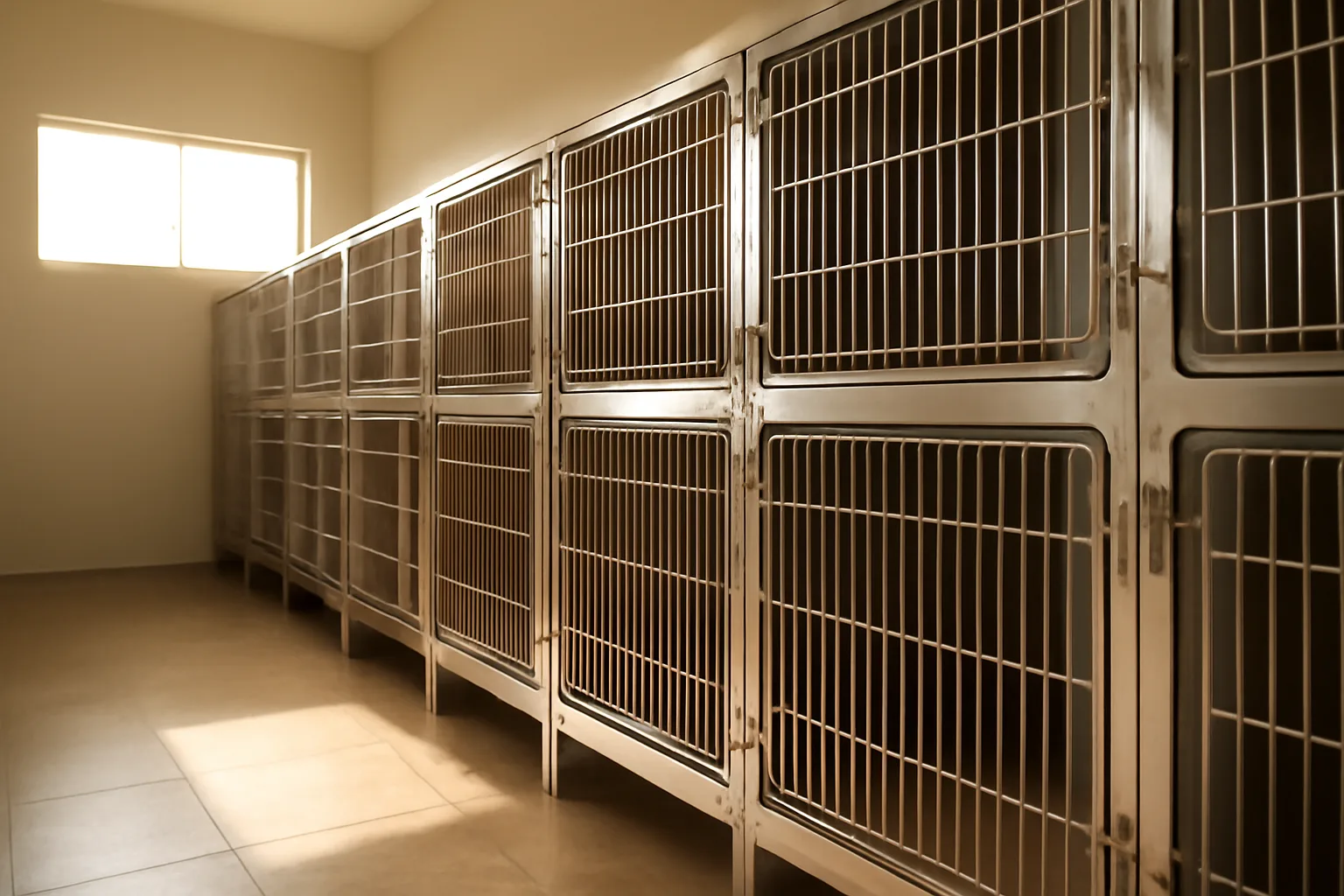
Facility and equipment is where the real money goes. Building or converting a cattery room to meet county ventilation and sanitation specs typically costs $2,000 to $15,000 for a home-based setup. A stand-alone commercial facility runs $20,000 to $100,000 or more. Stainless steel cages or modular condo units run $200 to $800 per unit. HEPA air filtration, which Arizona's dry desert air makes more of a dust concern than in humid states, adds another $500 to $2,000.
Veterinary baseline: most county permits require a relationship with a licensed Arizona veterinarian. A health certificate for each cat sold runs $35 to $60 per exam, depending on the practice. Budget $500 to $1,500 in year one for initial health screening of your breeding stock.
Insurance: a commercial general liability policy for an animal facility in Arizona runs $500 to $1,200 per year from specialty pet business insurers. Board cats on top of breeding, and you also want care, custody, and control coverage.
First-year total: a home-based breeding cattery with 3 to 5 queens can realistically start for $5,000 to $12,000 all-in. A commercial boarding cattery with 20-plus runs typically needs $30,000 to $80,000 before opening day.
| Cost category | Low estimate | High estimate |
|---|---|---|
| County animal permit | $100 | $300/yr |
| Arizona TPT license | $12 | $12 |
| USDA registration | $30 | $750 |
| Facility build/conversion | $2,000 | $15,000 |
| Equipment (cages, air) | $700 | $5,000 |
| Veterinary (year 1) | $500 | $1,500 |
| Liability insurance | $500 | $1,200/yr |
| Total (home cattery) | $3,842 | $23,762 |
How long does starting a cattery in Arizona take?
Four to twelve weeks is the realistic window from first application to an operating permit in hand, assuming no zoning complications.
The Arizona TPT license processes in one to five business days online through AZTaxes.gov [2]. That's the fastest piece of the puzzle.
The county animal facility permit takes longer because it requires a physical inspection. Maricopa County Animal Care schedules inspections within two to four weeks of a complete application during normal volume periods. If your facility needs corrections after the first visit, add another two to four weeks. Pima County runs a similar timeline.
USDA registration, when required, averages six to eight weeks once your application and fee clear the regional office [3]. Backlogs can push it longer. Start that application before you finalize your facility so the waiting periods overlap.
Zoning confirmation is the wildcard. If your address is already zoned correctly, a letter from the planning department might land in one to two weeks. If you need a use permit or variance, figure three to six months and a public hearing.
Realistic total for a home-based cattery in Maricopa County with no zoning issues: six to ten weeks. A commercial facility needing a use permit and USDA registration at the same time: four to seven months.
What are Arizona's animal care standards for a cattery?
Arizona's baseline care requirements for commercial animal facilities come from two places: county permit conditions and state statute.
ARS 13-2910 defines the criminal floor. No animal can be kept without adequate food, water, shelter, and veterinary care [4]. "Adequate shelter" in Arizona's climate specifically means protection from heat. Maricopa County reaches 110 degrees F and higher in summer, and any cattery running without functional air conditioning or evaporative cooling in those months will draw a complaint and likely an enforcement visit.
County permit conditions in Maricopa County specify minimum cage sizes, required ventilation rates, and daily sanitation protocols. The county uses USDA Animal Welfare Act standards as a reference baseline even for operations below the federal threshold. Under the AWA regulations at 9 CFR 3.1 through 3.19, cats must have at least 3.0 square feet of floor space per adult cat (excluding kittens under 16 weeks housed with their mother), at least six inches of clearance above the animal's head, and access to potable water at all times [5].
Feline upper respiratory infection is the dominant disease risk in any cattery, and Arizona's low humidity speeds the airborne spread of herpesvirus and calicivirus. Every working cattery in the state needs a solid vaccination protocol (FVRCP at minimum) backed by a licensed Arizona veterinarian. Your attending vet sets that protocol, and the Arizona State Veterinarian's office can point you toward practices experienced with multi-cat facilities.
Arizona does not require a state-level health certificate for in-state cat sales. Ship cats out of state, though, and the destination state's entry requirements and a USDA-accredited vet certificate apply.
Do you need USDA registration for a cattery in Arizona?
Maybe. The answer rides on your business model, not your headcount.
USDA Animal Care regulates "dealers" and "exhibitors" under the Animal Welfare Act [3]. A Class A dealer breeds and sells animals they've raised. A Class B dealer buys and resells animals. Breed cats and sell them straight to pet-owning members of the public at retail, and you generally fall under the "retail pet store" exemption with no USDA license required. That exemption has conditions, though.
As the Animal Welfare Act itself puts it, a dealer includes any person who sells animals "for research, teaching, exhibition, or use as a pet" (7 U.S.C. 2132). Selling to a research facility, dealer, or exhibitor pulls you into licensing regardless of volume, which catches people who assumed they were too small to register.
For pure pet-to-public breeders, the federal picture shifted after 2013, when USDA amended the retail pet store definition to bring some breeders selling sight-unseen online into oversight if they maintained more than four breeding females. Thresholds and enforcement have moved since then, so confirm your current standing directly with USDA Animal Care's western region office.
Bottom line: sell only to individual pet owners who visit in person, and you likely skip USDA registration at small scale. Wholesale to pet stores, sell to brokers, or ship sight-unseen, and you register.
How do you set up the physical space for an Arizona cattery?
Arizona's climate shapes cattery design in ways moderate-summer states never face. Heat management is the constraint everything else fits around.
Evaporative coolers (swamp coolers) are cheap to run in Arizona's dry air, but they add humidity, which is a mixed outcome for a cat facility. Humidity above 60% speeds mold growth in litter areas and worsens respiratory disease spread. Most serious Arizona cattery operators run refrigerated air conditioning instead and accept the higher electricity bill. Summer power for a 500-square-foot dedicated cattery room in Phoenix can run $150 to $300 a month during peak cooling season.
Ventilation beyond cooling matters too. County permits and AWA regulations require enough air exchange to prevent ammonia buildup. Aim for 10 to 15 air exchanges per hour in the cat area. A standalone HEPA air purifier with a carbon filter, sitting on top of the HVAC system, handles both particles and ammonia odor.
For cage layout, modular cat condo systems beat traditional steel bank cages with most Arizona breeders because they clean easier and give cats vertical space. Popular brands include Sturdi Products and Bass Equipment, though used stainless units surface through closing veterinary clinics if budget is tight.
Water is its own issue. Arizona municipal water in metro areas is hard and heavy with dissolved minerals. Many catteries use filtered or RO water to dodge the mineral buildup hard water leaves in automatic waterers. It's a small but real operational cost: a countertop RO system runs $150 to $300 upfront.
Separation is the other physical priority. Breeding queens, stud cats, kittens, and boarding cats (if you take them) need separate airspace, more than separate cages, to limit disease transmission. A one-room cattery where every cat breathes the same air is a respiratory outbreak waiting to happen.
What business structure and tax steps does an Arizona cattery need?
Most small Arizona cattery owners start as a sole proprietor or a single-member LLC. The LLC is worth the $50 Arizona Corporation Commission filing fee because it puts a legal wall between your personal assets and a customer's lawsuit over an injured or sick cat [7].
File your Articles of Organization with the Arizona Corporation Commission online. The filing fee is $50, and standard processing currently takes one to two business days [7]. You also publish a notice of LLC formation in a newspaper of general circulation in the county of your principal office, as required by ARS 29-3201 [12]. Publication runs $30 to $75 depending on the paper.
After formation, get a federal EIN from the IRS (free, instant online). Then register for your Arizona TPT license with the Department of Revenue [2]. Cat sales are taxable transactions in Arizona. Boarding services may be taxable under the TPT depending on how they're structured, so confirm with a CPA who knows Arizona tax.
Keep a separate business bank account from day one. Cattery income and expenses running through a personal account erodes your LLC liability protection and turns tax season into a slog.
Plan to hire any employees, and you also register with the Arizona Department of Economic Security for unemployment insurance and comply with Arizona withholding requirements [8].
What insurance does an Arizona cattery need?
Three coverage types matter for an Arizona cattery.
Commercial general liability (CGL) covers bodily injury and property damage claims from customers who visit your facility, and in most policies, basic medical claims if a cat bites or scratches. A $1 million per-occurrence/$2 million aggregate policy is the standard floor. Specialty pet business insurers like Markel and Pet Business Insurance write cattery-specific policies; a basic one runs $500 to $900 a year for a home cattery.
Care, custody, and control (CCC) coverage matters if you board cats. Standard CGL explicitly excludes animals in your care. If a boarding cat dies in your facility from illness or injury, CCC coverage handles the owner's claim. It's typically added as a rider to the CGL policy.
Mortality and health insurance for your breeding stock is optional but worth weighing for high-value pedigree cats. Insuring a $3,000 show-quality Persian queen costs roughly $200 to $400 a year depending on age and breed. Lloyd's of London syndicates and a handful of U.S. specialty insurers write it.
Workers' compensation is required in Arizona if you have any employees, even part-time [8]. Arizona's Industrial Commission oversees compliance. A sole proprietor with no employees is exempt but can elect coverage voluntarily.
How do Arizona's rules compare to neighboring states?
Knowing where Arizona sits next to California, Colorado, and New Mexico helps if you're weighing location or shipping cats across state lines.
California regulates catteries much harder. AB 485 (2017) banned pet stores from selling commercially bred cats and dogs, pushing breeders to sell direct [9]. That law doesn't restrict breeders themselves, but it shapes the market. Setting up a cattery near the California border in Arizona can be useful if you're selling to California buyers who want registered breeds.
Colorado has no statewide cattery license for pet breeders but requires USDA registration at the same federal thresholds. Colorado counties are generally lighter-touch than Maricopa County on permit complexity. See how to start a cattery in Colorado for that state's specifics.
New Mexico requires a commercial breeder license from the New Mexico Livestock Board for anyone selling 20 or more cats or dogs a year. That's a lower threshold than most people expect.
Arizona lands in the middle: more permit infrastructure than rural western states, less than California, and no separate state-level breeder license beyond the county system. For breeders who want moderate regulation and a large metro market, Maricopa County works if you treat the permit process seriously from the start.
| State | State-level cattery/breeder license? | County permits required? | USDA threshold applies? |
|---|---|---|---|
| Arizona | No | Yes (county-by-county) | Yes (federal) |
| California | No separate breeder license (AB 485 governs pet store sales) | Yes | Yes (federal) |
| Colorado | No | Varies | Yes (federal) |
| New Mexico | Yes (20+ animals/yr) | Varies | Yes (federal) |
Where can you find the actual forms and applications?
Most guides wave their hands here and say "check with your local authority." Here are the real starting points.
Maricopa County Animal Care and Control: the commercial animal establishment permit application lives on the Maricopa County Animal Care site under its licensing pages. The office is at 2500 S. 27th Avenue, Phoenix, AZ 85009. Phone: (602) 506-7387 [1].
Arizona Department of Revenue (TPT license): apply at AZTaxes.gov. The application is fully online and takes 15 to 30 minutes [2].
USDA Animal Care: the online registration portal runs through the USDA APHIS site. Search "APHIS Animal Care registration" and look for the AC Online system. Call the western regional office at (970) 494-7478 for guidance before you file [3].
Arizona Corporation Commission (LLC formation): file online through the Commission's eCorp system. The $50 base fee covers standard processing [7].
Want every state and federal form assembled in one place with filing instructions? CatteryPath's Arizona cattery kit at /start compiles the current forms, fee schedules, and county contact lists. It's a $149 one-time purchase that saves the hours of hunting across five agency websites, though everything above is publicly available if you'd rather source it yourself.
The neighboring state page how to start a cattery in California covers the permit process directly across the border if you're weighing location.
What's the honest first-year timeline for an Arizona cattery?
Weeks one through two: confirm zoning in writing, get your TPT license, and settle your business structure. File your LLC articles if you're going that route.
Weeks three through six: submit your county animal facility permit application with your floor plan, ventilation specs, and vet reference. Order your cages and air filtration so they arrive before the inspection.
Weeks seven through ten: county inspection. Make any required corrections. If USDA registration applies, your application should already be moving from week four.
Weeks ten through fourteen: county permit issued. USDA registration confirmed. Insurance binders in hand. You're legal to operate.
Month four onward: your first breeding cycle or your first boarders. Build the vet relationship, set up your vaccination records system, and start your social presence if direct-to-consumer sales are your model.
Nobody has clean aggregate data on how many Arizona catteries fail in year one. What the record does show is telling: USDA animal care inspection reports flag ventilation deficiencies and inadequate records far more often than facility size or exotic equipment. A clean paper trail and a working HVAC system carry you further than expensive cages.
To see how Arizona's process compares with a state that shares a similar county-permit model, the how to start a cattery in Colorado guide is a reasonable parallel read.
Frequently asked questions
Do you need a license for a cattery in Arizona?
Yes. You need at least two: a county animal facility permit from the county where your cattery operates, and an Arizona Transaction Privilege Tax license from the Department of Revenue for any cat sales. If you sell cats wholesale or to brokers, USDA Animal Care registration under the Animal Welfare Act also applies. Arizona has no single statewide cattery license; the permit stack is county-driven.
How much does a cattery cost to start in Arizona?
A home-based breeding cattery in Arizona typically costs $3,800 to $12,000 to start, covering the county permit ($100 to $300), TPT license ($12), facility modifications, equipment, first-year vet costs, and liability insurance. A commercial boarding facility can run $30,000 to $80,000 before opening. The biggest variable is whether you're building a dedicated cat room or converting existing space with existing HVAC.
How long does it take to start a cattery in Arizona?
Expect four to twelve weeks for a home-based cattery with no zoning complications. The Arizona TPT license processes in one to five business days. The county animal facility permit requires a physical inspection and typically takes two to six weeks after application. USDA registration, if required, adds six to eight weeks. A commercial facility needing a zoning use permit can take four to seven months total.
Does Arizona require a state-level cattery or kennel license?
No. Arizona does not issue a statewide cattery or kennel license. Oversight comes from county animal services departments, not a state agency. Some counties run detailed commercial animal establishment permit programs (Maricopa County is the most structured), while rural counties may only require a general business license plus compliance with state animal cruelty statutes under ARS Title 13.
Do I need USDA registration to breed cats in Arizona?
Only if your sales model brings you under federal Animal Welfare Act jurisdiction. Breeders selling cats directly to pet-owning members of the public at retail generally fall under the retail pet store exemption and don't need USDA registration at small scale. Sell to brokers, research facilities, pet stores, or ship sight-unseen, and you need USDA Animal Care registration. Confirm your specific situation with the USDA western region office.
What zoning issues affect an Arizona home cattery?
Residential zoning in most Arizona cities and towns bans commercial animal operations. Even with a county animal permit in hand, the planning department can shut you down if the use isn't allowed at your address. Before any other step, get written zoning confirmation from the city or county planning department that a cattery is a permitted use at your specific address. This step is free and prevents the most expensive possible mistake.
What vaccinations do Arizona cattery cats need?
Arizona has no state-mandated cattery vaccination schedule beyond rabies for cats over three months (required under ARS 11-1008 in most counties). Professionally, every cattery cat should get FVRCP (feline viral rhinotracheitis, calicivirus, panleukopenia) as a baseline. Many breeders also vaccinate for feline leukemia. Your attending veterinarian sets the protocol. County permits often require documentation of a veterinary relationship but don't mandate specific vaccines beyond rabies.
Is a cattery in Arizona required to have a veterinarian on call?
County animal facility permits in Maricopa County and most Arizona counties require you to name a licensed Arizona veterinarian as your attending vet, either on the application or as a permit condition. You don't need a vet on-site, but you need a documented relationship with one. The vet's name and contact information typically appear on your permit file and must stay current.
How do I register an LLC for a cattery in Arizona?
File Articles of Organization with the Arizona Corporation Commission online. The filing fee is $50 for a standard LLC, and processing takes one to two business days. After filing, you must publish a formation notice in a newspaper of general circulation in your county (required by ARS 29-3201), which costs $30 to $75. Then get a federal EIN from the IRS and register for your Arizona TPT license.
What insurance does an Arizona cattery need?
At minimum, a commercial general liability policy with at least $1 million per occurrence. If you board cats (rather than just breed them), add a care, custody, and control rider, because standard CGL excludes animals in your care. If you have employees, Arizona law requires workers' compensation coverage. Specialty pet business insurers like Markel write cattery-specific policies. Budget $500 to $1,200 per year for a home-based cattery.
Can I board cats at my Arizona cattery, or do I need a separate permit?
Boarding is a separate use from breeding, and most county permits require you to specify which activities your facility conducts. In Maricopa County, a boarding operation may trigger different fee tiers or extra inspection requirements compared to a pure breeding cattery. Check with Maricopa County Animal Care about the exact permit category for your intended mix of boarding and breeding before you open to paying boarders.
What are the biggest mistakes people make starting a cattery in Arizona?
Skipping written zoning confirmation before signing a lease is the most expensive. Second is underestimating Arizona's heat: a cattery without reliable air conditioning is a welfare liability and a permit violation waiting to happen. Third is treating the county permit as optional because the operation is small. Arizona county inspectors respond to neighbor complaints, and an unlicensed facility has no standing to contest enforcement.
How does starting a cattery in Arizona compare to California or Colorado?
Arizona sits in the middle of the regulatory spectrum. California bans pet store sales of commercially bred animals under AB 485, pushing breeders to sell direct. Colorado has no state breeder license and lighter county oversight in most areas. Arizona's county permit system (especially in Maricopa County) is more structured than most Colorado counties but lighter than California's requirements. See the full comparison table above.
Does Arizona's Transaction Privilege Tax apply to cat sales?
Yes. Retail sales of cats in Arizona are taxable transactions subject to the Transaction Privilege Tax, which is Arizona's version of a sales tax collected at the seller level. You must hold a valid TPT license from the Arizona Department of Revenue and remit the tax on cat sales. The TPT license itself costs roughly $12 (confirm the current fee at AZTaxes.gov). Boarding services may also be taxable depending on how they're structured; consult an Arizona CPA.
Sources
- Arizona Department of Revenue, Transaction Privilege Tax License: Arizona requires a TPT license for any business selling goods including cats, applied for at AZTaxes.gov.
- Arizona State Legislature, ARS Title 13, Chapter 29 (Cruelty to Animals): ARS Title 13-2910 defines criminal animal cruelty and sets the floor for minimum care including adequate food, water, shelter, and veterinary care.
- USDA APHIS, 9 CFR Part 3 Subpart A (Standards for Cats): 9 CFR 3.1 through 3.19 specifies that cats must have at least 3.0 square feet of floor space per adult cat, six inches of vertical clearance above the animal, and continuous access to potable water.
- 7 U.S.C. 2132, Animal Welfare Act Definitions: The Animal Welfare Act defines a dealer as any person who sells or offers to sell animals for research, teaching, exhibition, or use as a pet.
- Arizona Corporation Commission: Arizona LLC Articles of Organization can be filed online with the Arizona Corporation Commission for a $50 fee, with standard processing of one to two business days.
- Arizona Department of Economic Security, Employer Information: Arizona employers must register with the Department of Economic Security for unemployment insurance and comply with state withholding requirements when hiring any employees.
- California Legislative Information, AB 485 (2017) Pet Rescue and Adoption Act: California AB 485 (2017) banned pet stores from selling commercially bred cats and dogs, requiring stores to source animals from shelters or rescues.
- Arizona State Legislature, ARS 11-1008 (Rabies Vaccination): ARS 11-1008 requires rabies vaccination for cats over three months of age in most Arizona counties.
- Arizona State Legislature, ARS 29-3201 (LLC Publication Requirement): ARS 29-3201 requires Arizona LLCs to publish a notice of formation in a newspaper of general circulation in the county of the principal office.